
OPINION: What can we expect from the state college board in the current JSU presidential search?
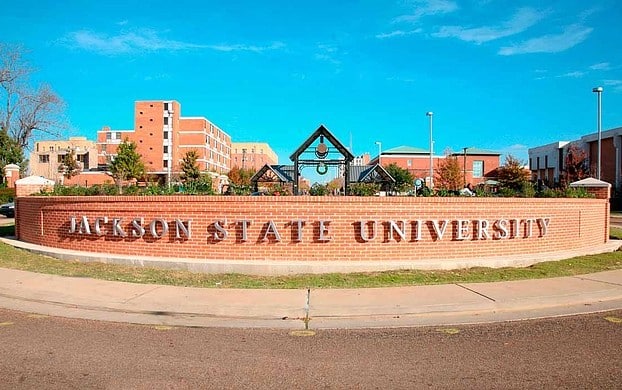
On June 21, 2023, the college board announced the names of seven board-appointed individuals “representing Jackson State University campus constituents to serve as Search Advisory Constituents,” in the search for a new JSU president. The list included: Robert Cook, founder and board member of the Jackson State University Tiger Fund; Robert Crear, a member of the Jackson State University Development Foundation Board; Patrease Edwards, president of the Jackson State University National Alumni Association, Inc.; Dr. La’ Tonia Harper, president of the Jackson State University Staff Senate; Jason Johnson, president of the Jackson State University Student Government Association; Dr. Dawn Bishop McLin, president of the Jackson State University Faculty Senate; and Ashley Robinson, vice president and director of athletics at Jackson State University.
On the one hand, the list itself is fairly typical of previous lists developed for other searches. The writer has no quarrel with any of its members. On the other hand, there should be room for re-thinking the group’s composition. Just a few examples come to mind. (1) There is no representation for graduate and professional students in the group. (2) The inclusion of the Tiger Fund and the Development Foundation Board lends the same, if not greater, status and influence to those bodies as is provided for the faculty and the students. (3) In the same sense, athletics stands out above other activities on the campus. (4) One has to wonder what influence is to be played by such important expected endeavors as faculty research and community service. The point here is not to be critical of any of the individuals on the list, but to have the board critically think about the necessary voices or influences that should be brought to bear in this endeavor, the search for a permanent president.
Beyond and even more importantly than the composition of the list of advisors, is the role that is played by the advisors. Given how too many previous presidential searches at JSU have unfolded, several ideas come to mind which could improve the search process and enhance the roles played by the interested citizens.
(1) If the appointed Search Advisory Constituents are “representing” the various campus groups, there should be not just the freedom to, but an expectation of the appointed individuals to consult with their respective groups on the merits of the candidates who make application for the presidency. This can be done in such a way as not to reveal the candidates’ identities (using codes, numbers, or symbols). Unfortunately, too often in the past the appointed advisory search constituents have been sworn to secrecy once they were appointed in order to protect the identities of candidates. This has meant that the search advisors could not engage in informational exchanges with their constituent group members. Their individual opinions were thus substituted for the opinion of the group that they supposedly represented. If things are to improve, such a change has to occur.
(2) If the appointed Search Advisory Constituents are to be true advisors rather than mere figure heads, the board’s search committee should genuinely receive advice from them, that is, the advisory constituents should be in the position of offering the top several candidates to the board, with the board then selecting from that list. It’s amazing that this does not routinely happen since this is generally how advisors to the U.S. president and other segments of corporate world function. Unfortunately, the college board has frequently disregarded the advice of the “advisors” and proceeded with its own preference, often using an insufficiently vetted list of candidates. Hopefully, we have seen the last of such a scenario.
If nothing about the search process is ever changed, then perhaps one would be correct to conclude that the same kinds of mistakes and outcomes previously experienced will be visited upon us again. Therefore, we offer our suggestions and raise the question of what can we expect from the state college board in the current JSU presidential search?
Author