Cheers for Zaila Avant-garde, Jody-Anne Maxwell, and Marie Bolden, champions all
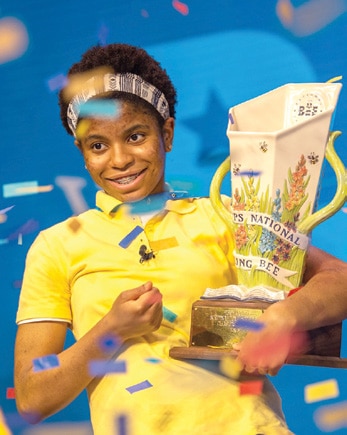
Last week, many people, especially African Americans, were as high as could be over the fact that Zaila Avant-garde of Harvey, LA won the 2021 Scripps National Spelling Bee. It truly is time for celebration when a student accomplishes such a feat. It generated exhilaration beyond measure this year because Avant-garde was recognized not only as the first African American to do so, she was also recognized as the first Louisiana student to do so and the first home-schooled student to do so.

Last week, many people, especially African Americans, were as high as could be over the fact that Zaila Avant-garde of Harvey, LA won the 2021 Scripps National Spelling Bee. It truly is time for celebration when a student accomplishes such a feat. It generated exhilaration beyond measure this year because Avant-garde was recognized not only as the first African American to do so, she was also recognized as the first Louisiana student to do so and the first home-schooled student to do so.
Just last year, in the absence of the Scripps National Spelling Bee due to the Covid-19 outbreak, Avant-garde won the 2020 Kaplan-Hexco On-Line Spelling Bee. Then after winning the Scripps National Spelling Bee this year with the word “Murraya,” she was fully recognized as a national spelling whiz.
In the process of getting to know her, however, it was revealed that she already held three Guinness Book world records for her skills with a basketball. She also has dreams and ambitions to match her spelling and basketball skills. Perhaps to cap things off, the President of Louisiana State University, William Tate, offered her a full academic scholarship at the ripe old age of 14.
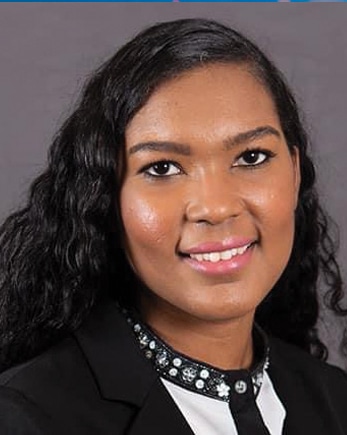
Amidst the national celebration of the win by Avant-garde, other similar news was shared. Jackson writer C. Liegh McInnis pointed out that while Avant-garde was the first African American to win the Scripps National Spelling Bee, the first person of African descent to do so was Jody-Anne Maxwell of Jamaica. Maxwell won the Scripps National Spelling Bee in 1998. McInnis’ point was not to throw cold water on Avant-garde and her accomplishment, but to keep reminding people of the nature of the African diaspora. Avant-garde, thus, remains the first African American student to win the award, while Maxwell is the first Black or African student to win it.
That means it is hurray for Maxwell and hurray for Avant-garde. Yes, there is enough cheer here to be spread around.
Finally, just as people were getting use to the idea of needing to honor both of those young ladies, Joshua Johnson of MSNBC added another layer. Based upon MSNBC’s research, it was revealed that prior to the Scripps National Spelling Bees, the National Teachers’ Association had sponsored national spelling bees.
In that arena, another Black female, Marie Bolden, had won the national spelling bee in 1908. Of course, most of us were unaware of that piece of history. Bolden, nevertheless, deserves the recognition and the celebration even by us who may not have been alive in 1908. As one of the writer’s high school classmates stated as he was trying to turn in a late assignment, “It’s never too late to do good.” Bolden’s national spelling bee victory was recognized by the Cleveland (Ohio) newspaper at that time, but she apparently did not get the kind of national recognition as would be accorded today.
If this writer at the Jackson Advocate could speak for this community, he would say, “Hip, hip hurray, cheers all around.” These three young ladies demonstrated for the billionth time that genius has no racial or ethnic bounds.
May the example set by them, though they are separated by years of time and hundreds of miles of space, not only whittle away at racial and ethnic stereotypes, but inspire other Black youngsters to soar where they will.
Author