Pellet mills’ pollution raise health concerns
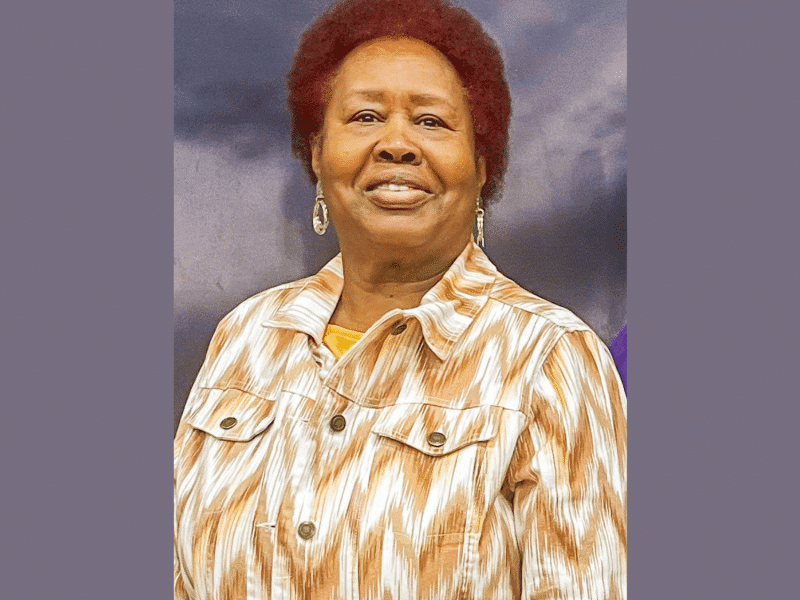
In the October 2024 Pellet Mill Impact Survey, Dr. Krystal Martin sounds the alarm on the detrimental health impact of the DRAX Pellet Mill on the citizens of Gloster, Mississippi.
This report highlights the harmful pollutants seeping from the DRAX Wood Pellet Mill in Gloster’s small town.
Dr. Martin, a native of Gloster, is among the contributors to this report. ErNiko Brown (Greenwood, South Carolina), Ruby Bell (Faison, North Carolina), and Richie Harding (Pleasant Hill, North Carolina) also contributed to this report because they too live near a pellet mill and are concerned about the quality of the air they are breathing. Each environmental community organizer contributed to the report, explaining how the pollutants from pellet mill plants are affecting the health of citizens in their towns.
Each of these community organizers is extremely concerned about the increase of debilitating health conditions of their friends and family members, which appear to be rising since the wood pellet mills have been established in their towns.
The report shows a distinct pattern where most current operational wood pellet mills are located, i.e., Southern states including Alabama, North Carolina, South Carolina, Virginia, and Mississippi, with proposed mills to open in Georgia and additional mills within states where the mills are already operational. A map published in this report shows these operational and proposed mills are located in low-income majority-minority parts of towns where there are persons living below the poverty line.
The report states, “The information revealed a total of 312 valid responses from 5 communities. This equates to over 10% of all households within a 2-mile radius of the selected pellet mills. Those communities were: Gloster, Mississippi, around Drax Amite; Faison, North Carolina, around Enviva Sampson; Garysburg, North Carolina, around Enviva Northampton; Greenwood, South Carolina, around Enviva Greenwood; and Aliceville, Alabama, around Drax Aliceville. Our sample corresponds well with the overall racial makeup of the 5 communities surveyed. We estimated, using U.S. census data, that the 2-mile radius around the 5 surveyed communities would be majority Black or African American, and 70% of our respondents identified themselves as Black or African American.”
During an exclusive interview with the Jackson Advocate, Dr. Martin said that Gloster needs special attention. She stated the survey responses show that 71 respondents saw no economic advantage from the DRAX pellet mill being located in Gloster. The households surveyed report moderate to extreme health challenges attributed to the pellet mill. The impact study identified 13 associated health-related diseases.
Along with the Greater Greener Gloster association, Dr. Martin believes the pollutants from pellet mills contribute to the ongoing adverse health conditions affecting the people who live near the pellet mill. In four of the five communities near pellet mills, 86% of households reported at least one family member diagnosed with one or more of the listed 13 diseases.
Dr. Martin states that there are so many better things she envision for her community, where 40 percent of the residents live below the poverty line — and so many better ways she could spend her time as a public servant than fighting for something as simple as clean air. At present Gloster does not have a medical clinic or a doctor to attend to the health needs of the community that is being sickened by pollution that is emanating from the mill. “My wish is for a greater, greener Gloster to include clean air and water, but also a public school, a state-of-the-art library, a multi-purpose facility with an indoor walking trail and basketball, better housing, a local dentist and medical doctor, a community garden, a food pantry, and after-school programs,” she says.
Dr. Martin said, “It’s disheartening to see that in a small community like mine, we have so many people experiencing health issues … And it’s been hard to convey to people that their illnesses could be from air pollution since it’s something you can’t even see.
I’m doing this work because of my mom, my son, the children, and the many people who call Gloster home. We deserve the right to know the air we’re breathing in Gloster is as safe as the air in Madison and other parts of the country. We can’t let southwest Mississippi stay forgotten. Getting outside to enjoy nature with family should not be a privilege.”
Author