OPINION: Choosing the right leader for Jackson: Why leadership matters more than ever
By Dr. Stacia V. Hunter
Jackson Advocate Guest Writer
As Jackson, Mississippi faces a pivotal mayoral election, initially starting with 22 candidates vying for the city’s top office, residents are tasked with more than just casting a vote. Jacksonians must choose a leader capable of initiating and executing transformative changes crucial to the city’s future. This is not an overstatement – leadership has never been more critical, especially in a city grappling with persistent challenges that demand visionary strategies and decisive action.
Reflections on Past Leadership
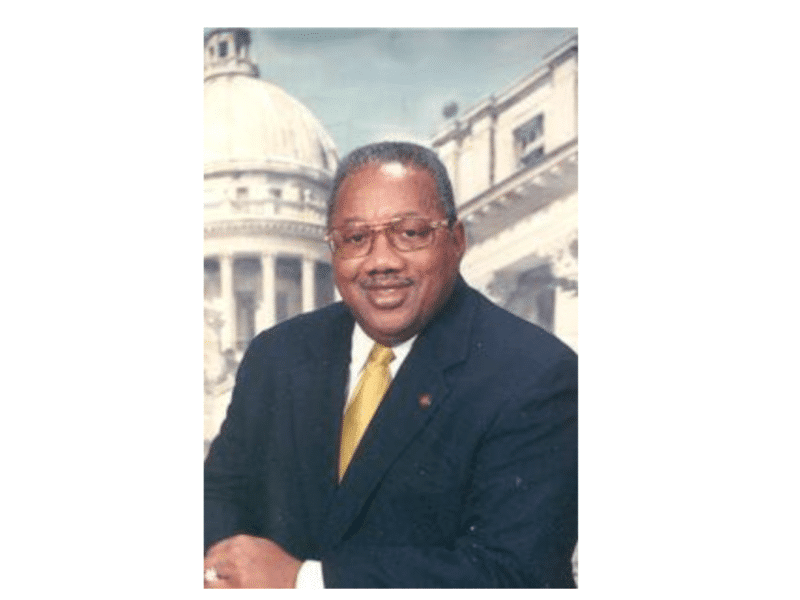
Reflecting on Jackson’s past leadership offers valuable lessons. Once known as the “Bold New City,” “The Best of the New South,” and currently “The City with Soul,” Jackson has experienced both structured and unstructured leadership styles. The legacy of Harvey Johnson Jr., the city’s first African American mayor, emphasized urban planning and infrastructure development, laying the groundwork for long-term growth. His focus on revitalization projects highlighted the importance of strategic planning and resilience in the face of economic challenges, though he faced criticism for the slow execution of his plans.
Conversely, Frank Melton’s tenure was marked by a hands-on, controversial approach characterized by direct community engagement, yet often mired in legal battles and governance issues. These contrasting styles underscore the delicate balance between visionary leadership and effective governance – a balance Jackson’s next mayor must achieve. While equally significant are the legacies of Chokwe Lumumba Sr. and his son, Chokwe Antar Lumumba. Lumumba Sr., known for his activism and commitment to social justice, prioritized community empowerment, economic equity, and grassroots organizing. His leadership inspired a movement focused on self-determination and civic engagement.
However, his son has attempted to carry forward this vision through progressive policies, infrastructural improvements, and tackling systemic inequities. While rooted in community collaboration and values-driven governance, Chokwe Antar Lumumba’s administration has faced criticism for struggles with managing Jackson’s water crisis, infrastructure decay, crime rates, and a federal bribery scandal. Despite his progressive vision, gaps in execution, transparency, and responsiveness have raised concerns about translating ideals into sustainable, practical solutions.
The Case for Robust Leadership
Leadership is more than a title, it’s the capacity to inspire, strategize, and implement change. However, for Jackson, this means selecting a candidate understanding that change is not optional but the cornerstone of growth and development. A candidate that leads with integrity should be evaluated on their ability to serve in three critical roles:
1. Transformation Strategist: A leader who connects with the need for change, visualizes desired outcomes, and assembles the right team to achieve them.
2. Implementer: A leader who effectively translates vision into actionable, measurable results.
3. Influencer: A leader who rallies public support, engages stakeholders, and ensures that transformative change takes root within the community.
The Role of Emotional Intelligence
Change is challenging, particularly in civic environments charged with emotions that can either propel or hinder progress. The right candidate must manage emotions effectively – both their own and those in the community. Emotional intelligence is key to sustaining transformation. Candidates should demonstrate not only policy knowledge but also the ability to listen, empathize, and engage with diverse voices.
Resistance to change is inevitable. How a candidate handles opposition can determine the success of their initiatives. Jackson needs a leader unafraid of difficult conversations, one who values diverse perspectives, and adapts strategies based on community feedback. This kind of empathetic, face-to-face engagement fosters trust and drives meaningful progress.
The right mayoral candidate for Jackson’s future must also recognize the power of alliances and the commitment governing with great integrity. We need a strong leader who will cultivate relationships with local influencers who can bridge gaps between government initiatives and community needs. Leadership today is not about imposing mandates – it is about reshaping how we think about governance.
Advanced leadership requires more than top-down directives. Jackson’s next leader must understand the diverse “tribes” within our community, encouraging grassroots solutions that initiate transformative conversations at the neighborhood level with a simple yet powerful question: “Why?” While the answers may differ across the city’s seven wards, this leadership approach nurtures critical thinking, empowers individuals, and builds a sense of shared purpose – qualities Jackson’s next mayor must embody.
In conclusion, the legacies of past mayors teach us that effective leadership embodies a balance of vision and pragmatism, empathy and decisiveness, innovation and accountability. As Jackson voters face a crowded field of candidates, it’s crucial to look beyond slogans, empty promises, political smokescreens, and simply having a heart for the city. The city requires a leader who not only possesses a genuine passion for Jackson but also has a deep understanding of the complexities of change management, demonstrates emotional intelligence, and is committed to fostering inclusive dialogue and strategic ethical partnerships. Jackson needs a leader who has as much at stake as the people they serve. Jackson, choose wisely.