NAACP 117th National Convention held in Chicago
By Dr. Anne T. Sulton, Esq.
JA Senior International Correspondent
Chicago: From July 18 to 22, the NAACP convened in Chicago at the McCormick Place West Building. It was a full house. Mississippi was well represented. Its large delegation represented NAACP branches throughout the state.
In years past, I served on the NAACP’s Resolutions Committee. In my view, the most important part of the convention is that portion wherein proposed resolutions are passed by vote of the delegates to the convention. Convention delegates are elected by the NAACP branches.
During the Resolutions Plenary session on Tuesday, July 21st , every seat in the huge main meeting room was taken. Only delegates were allowed in the room. Alternate delegates and convention observers watched the proceedings on large TV monitors from a separate room.
I think my unique status as a correspondent for the Jackson Advocate enabled me to be the only member of the press allowed in the delegates’ meeting room. I had free reign to observe the proceeding, take photos, and speak with delegates. The meeting room was so packed, part of the time I sat on a scooter parked by a delegate near the back of the room.
More than 1,600 convention delegates were hard at work studying proposed resolutions that would chart the association’s near future course. It was serious business. Delegates worked, even while eating lunch, to ensure the nearly 100 pages of proposed resolutions were formally presented, vigorously debated, and voted upon using strict parliamentary procedures.
NAACP Board Chair Leon Russell kept delegates focused on the matters at hand. He ran a tight ship. Standing beside him on the stage was James Ghee. Ghee made certain even the nuances of sometimes complicated Robert’s Rules of Order were strictly followed.
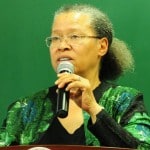
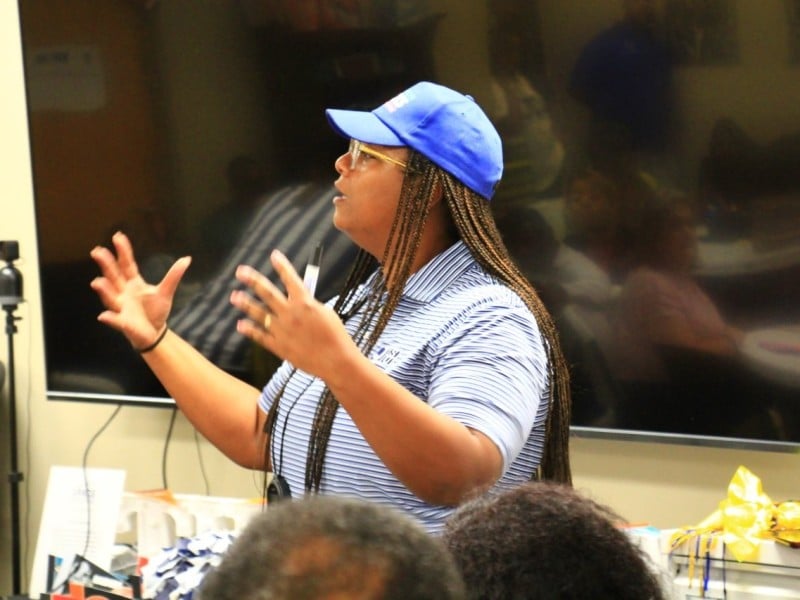
Resolutions addressed dozens of critical issues, including economics, education, and a host of other categories. Clarence P. Nicholas, Milwaukee Branch’s president, spoke at a microphone in the center of the enormous packed meeting room. He shared his thoughts on his branch’s proposed resolution to ensure educational equity. He encouraged those assembled to consider amendments to the proposed educational equity resolution before them – it had been modified by the Resolutions Committee during its pre-conference deliberations. The end result was overwhelming support for passage of the Committee’s modification. However, the resolution as passed still contains the essential components of the Milwaukee Branch’s initially proposed resolution.
Every special ticketed event reportedly was sold out pre-convention. However, this did not deter attendees while riding escalators in the McCormick Place to shout out urgent pleas for any available tickets.
In essence, this convention reflected and reaffirmed the continued relevance of the NAACP. To join the NAACP and learn more about its continuing crucially important civil rights work, please visit naacp.org.
Please visit our website to view the convention photo gallery at www.jacksonadvocateonline.com
Author