Mississippi State Conference NAACP marks 80th Anniversary, noting accomplishments and development of young leaders
Nov. 6-8, the Mississippi Conference of the National Association for the Advancement of Colored People (NAACP) held its state convention in Jackson. The site for the convention was the Convention Center Complex in downtown. The theme of this year’s convention was “80 Years of Advocacy: The Fierce Urgency of Now.”
Under the leadership of President Dr. Robert James, Executive Director Charles Taylor, and the state board, the state conference oversees more than one hundred local chapters in 77 of Mississippi’s 82 counties. Last year it had financial support exceeding $1.4 million. It also enjoys the support of scores of elected representatives, including members of the Mississippi Legislative Black Caucus, Congressman Bennie Thompson, and local, county, and municipal officials. This broad level of support reflects its 80 years of activism and organizing in the state.
The Convention Complex was decorated in such a manner that one could not help but recognize or become acquainted with such heroes as Medgar Evers, Gilbert Mason, Fannie Lou Hamer, Joyce and Dorie Ladner, Aaron Henry, Winson Hudson, Ida B. Wells, and Brenda Travis. There were photographs and biographical sketches on display. They were also mentioned in many videos and speeches throughout the weekend.
The decoration and the speeches clearly were designed to punctuate and celebrate the activities of the state conference over its 80-year history. There were numerous reminders that the NAACP, as a national organization, had its beginning in 1909. It was also noted that nine years later the first local chapter of the NAACP was chartered in Vicksburg, Mississippi, largely at the initiation of the Stringer Masonic Grand Lodge. The conventioneers went the next step, emphasizing in 1945 that the local Mississippi branches were brought together as a collective and chartered as the Mississippi Conference of the NAACP. Medgar Evers was appointed as its first field secretary and housed in Mound Bayou. (The office of field secretary was later changed to executive director.)
As the various presenters spoke, they discussed the many ways in which the NAACP has been an advocate for equity and the equal treatment of African people in America. These included, among other things: the investigations of the lynching and assassination of people such as Emmett Till and Rev. George W. Lee; boycotts in municipalities where Jim Crow policies were rampant; and lawsuits against segregated schools and colleges. Also noted were the “wade-ins” led by Dr. Mason on the Gulf Coast, which opened the beaches to all comers, and the Claiborne County boycotts, which nearly bankrupted the NAACP.
Speakers pointed out that the state has moved from having just one Black mayor (the all-Black town of Mound Bayou) to having 109 out of 298 mayors today, and having more Black elected officials than any other state.
As the convention was starting, speakers pointed to that fact two more Black candidates were being added to the state senate and one more to the state house, after an NAACP-led court battle. Regarding these political victories, the speakers often rallied the crowd with the cry, “when we fight,” to which the crowd would respond, “we win.”
Rather than just celebrate the 80 years of struggle, wherein there was often success, many of the speakers underscored the urgent need to combat the racist policies of the contemporary state administrations. In that regard, they pointed to the upcoming federal and state elections, the struggle for affordable healthcare, the protection of voting rights, and other issues threatening the life, liberty, property, and the pursuit of happiness of Black people.
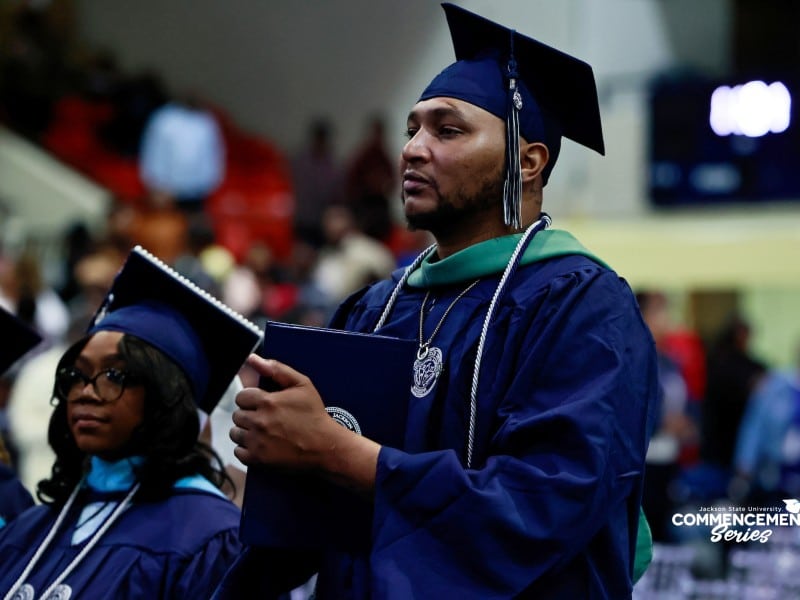
During Director Taylor’s state of the state address, he noted the NAACP is preparing for the future and the need for effective advocacy by employing youth assistants and by seriously developing youth and college chapters. The idea is that young people will soon step forward and lead the struggles, as they often have in the past; that they will have been developed and nurtured at Rust College, Mississippi Valley, and the other colleges; and that they will have been developed and nurtured in Jackson, Holmes County, Mound Bayou, and other places around the state. He also acknowledged the technological skills and new ideas which they bring to the table.
Convention planners assembled an impressive array of speakers and panelists. They provided a wealth of information as well as inspiration for the attendees and residents around the state.
Overall, the convention attracted hundreds of attendees, both old and young. While there were more seniors than younger attendees, it was clear the NAACP has created enough of a footprint and organizational structure to ensure there will be enough advocates around to not just shout it, but to make certain that, “when we fight, we win.”
Author