
Updates on the JSU presidential search, JPS governance, Jackson water
JSU Search
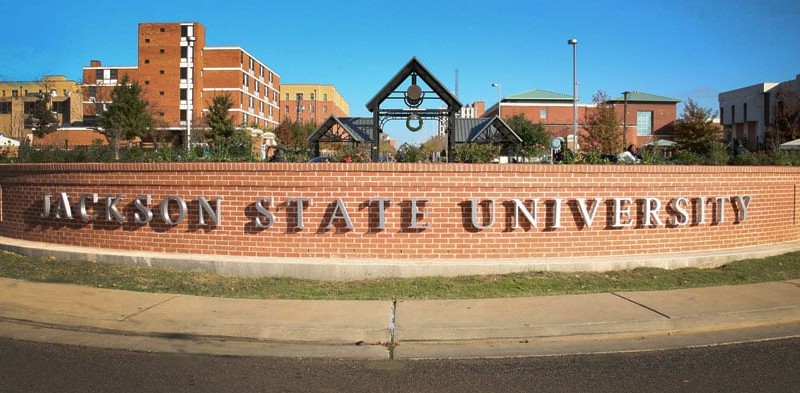
As a result of a chance meeting with the Mississippi Higher Education Commissioner, the writer learned the Jackson State University Presidential Search Committee is fully engaged. According to Dr. Alfred Rankin Jr., the committee is in receipt of applications from a large number of highly-qualified candidates.
From several other sources, we learned that a high-profile alumnus and a previously highly-rated applicant are among the current applicants for the position. Rankin was not asked to verify those individuals, but he did indicate the search committee is hoping to select an individual who is very competent and able to bring stability to the university.
When pressed about a timetable, Rankin said that although it is not firm they were working to have a president named by the end of the calendar year. Meanwhile, JSU National Alumni President Patrease Edwards posted a timetable which lists September as the month candidate applications will be screened and individuals interviewed, October as the month the Board’s preferred candidate will be announced, and January as the month the president will begin his/her term of service.
It is the hope of many supporters that the search committee will be more open to the campus advisory committee and the constituencies that it serves.
JPS Governance
With the appointment of Mr. Mitch McGuffey to the Jackson Public Schools Board of Trustees, its membership is back up to seven. McGuffey, who lives in Ward Seven, replaced Dr. Robert Luckett, thus retaining two white men on the Board. He was joined in the appointment confirmation by Mr. Frank Figgers, who is being re-appointed and is the third male on the board.
The other members of the Board of Trustees – Dr Edward Spivak, President; Mrs. Barbara Hilliard, Vice President; Mrs. Letitia Johnson; Dr. Jeanne Middleton Hairston; and Mrs. Cynthia Thompson – still have years on their terms. They were all appointed by the Mayor, one from each Ward, and confirmed by the City Council. Dr. Errick Greene, who is appointed by the Board of Trustees, is in the second year of a four-year contract as Superintendent.
The team, of the Trustees and the Superintendent, is expected to govern the district for the next several years. Among the challenges which they anticipate include declining student enrollment, teacher recruitment and retention, curriculum development, and the possible modification of the school calendar.
There has been considerable discussion in the community regarding the re-purposing of the vacant school buildings, some suggesting that they be opened for housing the homeless, the elderly, or handicapped. There has also been discussion about the need to ensure the full and true history of this country be emphasized in the schools. Simultaneously, many citizens are concerned about the ability of the district to offer the type of salaries that can help recruit and retain top-flight teachers.
These, along with the growing trend of modified school calendars, are matters to which the current team should be able to superbly address. Except for Mr. McGuffey, all are experienced in addressing most of those issues.
Jackson Water
Federal District Judge Henry Wingate has signed orders giving the federally-assigned Third-Party Manager, Ted Henifin, control of the sewage system for the city of Jackson. The latest order comes months after Henifin was chosen to head the effort to improve the city’s water system.
In the initial assignment by the Justice Department, Henifin’s salary and the funds to work on the water system were paid by the federal government. That remains the case as his authority expands. During the Mississippi legislative session earlier this year, a bill was proposed aimed at having the state take control of the system. That, however, was nullified as the federal action took precedence.
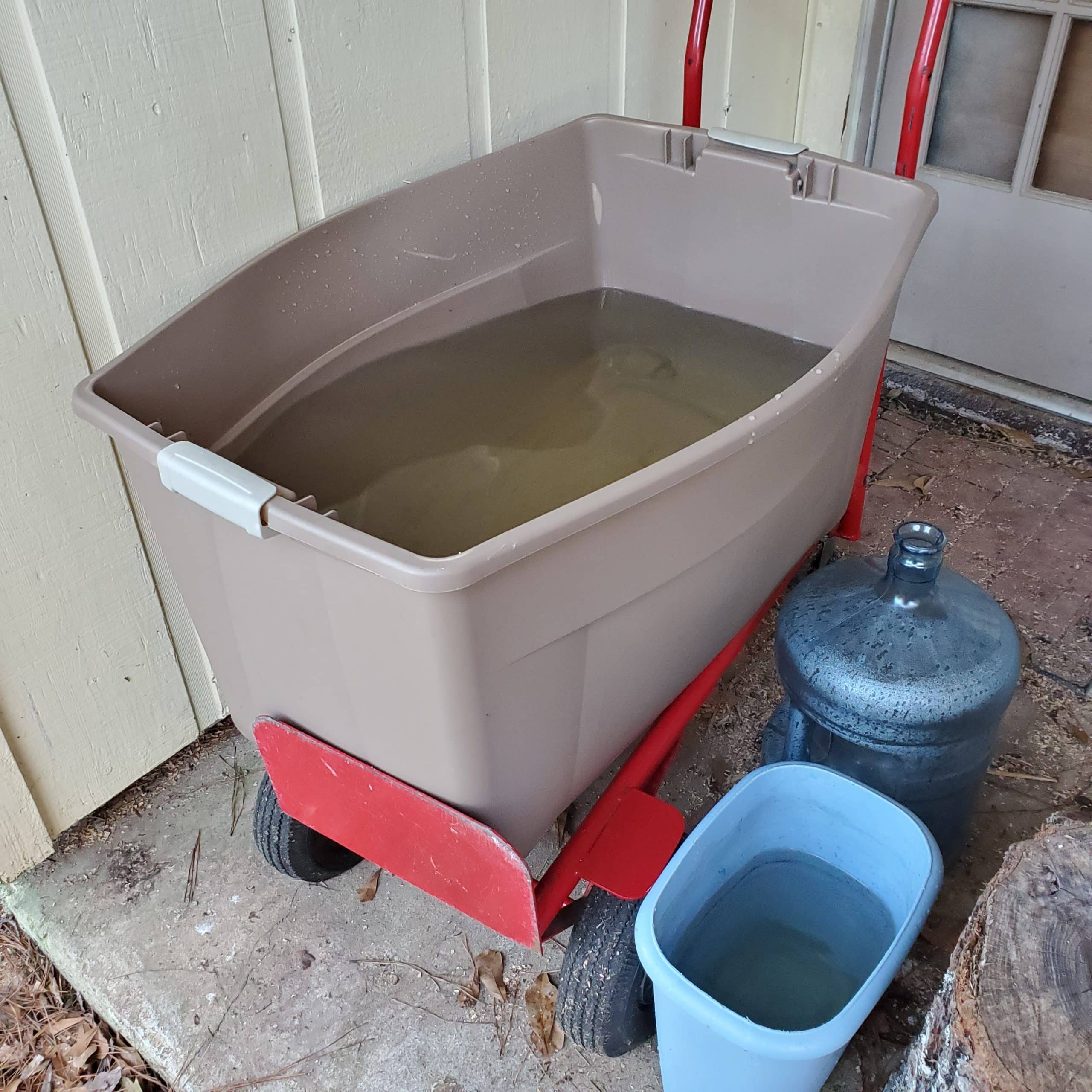
Since Henifin has been in control of the water system, there have been several complaints, including that his operation is headquartered in Rankin County, inconveniencing many Jackson residents. Other residents report that water billing remains a problem – some residents paying too much and others not receiving bills in a timely manner. Also of concern is that communication has been seriously inadequate, and in some cases, non-existent.
These complaints, along with the absence of an accessible plan that the public can see and in which it can believe, underscore a problem that causes many residents to wonder when and how the added sewage system responsibility will be addressed.
Author