The Afrikan Art Gallery provides an opportunity to help a Black business
Long before Booker T. Washington began any campaign to build and support Black businesses, there was a strong need for Black people to support Black businesses. While many have often talked a good game, the current condition of the Afrikan Art Gallery provides an excellent opportunity for people to let their deeds match their words.
Back in 1975, Brother Nyika Ajanaku began what was called the Bantu Club. Now 50 years and several locations later, its current operators need your assistance to keep his dream alive.
On or by August 1st the business is expected to re-locate to 1036 Pecan Park Circle. The present building has been sold to an owner who has other ideas for the space. Because Ajanaku died a little more than a year ago, with legal challenges over the property following that, and the business having a staff of only two people, the simple matter of moving is difficult. The Afrikan Art Gallery staff needs to rent vehicles and secure a group of volunteer movers for the coming week, July 31 – August 2. Willing volunteers and donors should call the Afrikan Art Gallery staff at 769-572-7441 in order to offer assistance. This is a real live opportunity to assist a genuine Black business. Surely, the community will not let them down.
As previously described in Jackson Advocate articles, the “Gallery is a business, a community, and a treasure.” It needs and deserves assistance in order to remain the valuable resource that it long has been and in order to keep Ajanaku’s dream alive.
Like many other Black businesses, especially bookstores, it has long struggled to remain alive. It offers books and videos on Black and African subjects rarely found elsewhere. The same is true for Black and African clothing and artifacts. Without the Gallery, there would be a shameful void. It needs loyal customers, the kind patronizing and recommending the store to others.
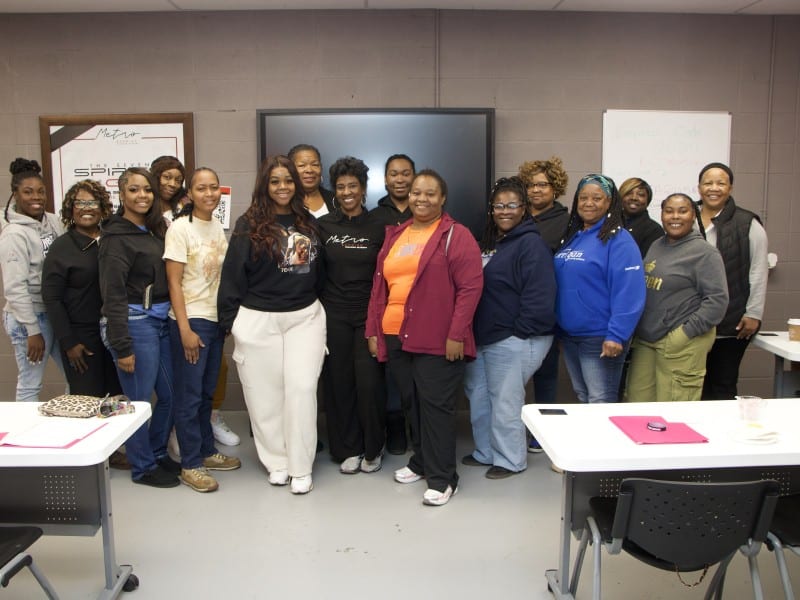
Unlike most other businesses, Black or white, the Afrikan Art Gallery also willingly opens its doors to numerous other organizations and groups. Many of them hold forums and strategy sessions, teach classes, train young men and women, sponsor political debates, conduct book reviews, stage organizing meetings, and do many other things that are invaluable to the community. These things are all done without the benefitting groups having to pay a single dime for the space and utilities.
If these groups offered even minimal donations going forward, that would enable the Gallery to continue to survive and serve the public in various ways. Without such consideration, this business will gradually find itself, like many past Black businesses, unable to compete and survive, resulting also in the loss of the space as a community resource.
While the writer has no dog in this hunt, he has benefitted from the openness and inviting nature of the Gallery and realizes the importance of helping others, especially other genuine Black businesses. For those reasons, he urges others to take advantage of the opportunity to help the Afrikan Art Gallery in its move on August 1, and to help it to have the financial ability to provide the space for Black meetings without the kind of hassle often experienced when other businesses are approached.
Author